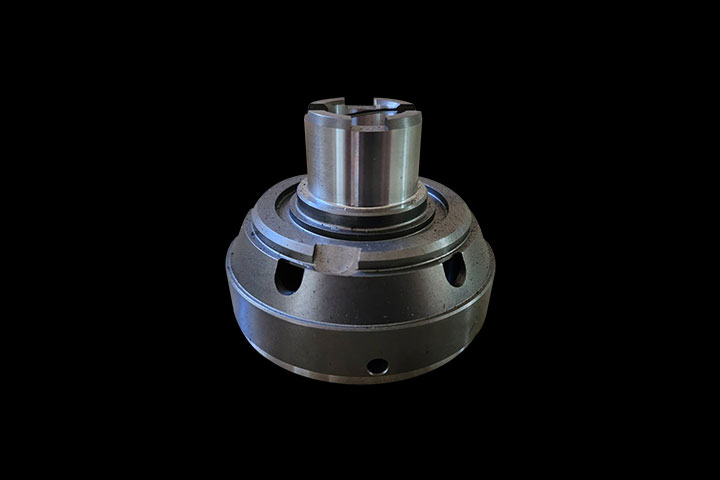
CNC (Computer Numerical Control) machine tools use computer-based numerical control to process CNC parameters through a computer compiler and transmit the calculated instructions to CNC machining equipment. The integrated control system within the CNC machine then sends commands to the drive system to operate the motors, enabling the designed components and parts to be precisely cut and machined.
One of the greatest advantages of CNC machining is the ability to store a series of command codes in the controller. Engineers can flexibly edit and duplicate CNC programs, issue instructions to production equipment, and make minor adjustments to the machines on-site to process different workpieces. Depending on different manufacturing requirements, CNC cutting processes are mainly divided into milling and turning, corresponding to machining centers and lathes, respectively.
- High Level of Automation and Efficient Production
Most machining processes can be completed automatically by CNC equipment. When integrated with robotic arms, CNC machines are also one of the standard equipment solutions commonly used in unmanned factories. CNC machining reduces the operational complexity for machine operators by eliminating repeated clamping, positioning, inspection, and other time-consuming procedures, enabling more efficient automated production. - High Flexibility and Reduced Production Preparation Time
When changing the workpiece being machined, apart from replacing cutting tools and adjusting the workholding method for the raw material, it is generally only necessary to edit the CNC machining program. No other complicated adjustments are required, further reducing production preparation time. - High Precision and Stable Machining Quality
CNC machining can significantly reduce errors caused by human factors while allowing the machining equipment to perform production automatically. In addition, precision machine tools are equipped with position detection systems to improve the accuracy of precision CNC machining. In general, machining dimensional accuracy can reach approximately 0.005–0.01 mm.
JITO has extensive experience supporting upstream processes such as copper casting, copper forging, and aluminum forging, and provides subsequent CNC turning, milling, and multi-axis machining services to help customers transform raw blanks into finished components that meet assembly and application requirements.
In actual production, CNC machining is not simply about achieving the dimensions specified on a drawing. It also requires an understanding of the component's application, material characteristics, and subsequent assembly conditions. Different materials require different considerations regarding cutting speeds, tool selection, machining allowances, and surface treatment. For example, copper components require particular attention to burr control and surface finish, while aluminum components often require a balance between efficiency, precision, and appearance. JITO is experienced in machining copper, aluminum, and various metal components and can provide appropriate machining recommendations and process planning based on customer drawings, samples, or functional requirements.
Precision CNC machining is widely used for water hardware, bathroom components, valves, fittings, pipe components, automotive and motorcycle parts, mechanical components, electronic equipment accessories, and various customized hardware products. For customers, stable machining quality directly affects assembly efficiency, product fit and sealing performance, and overall production yield. Therefore, confirming dimensions, tolerances, and machining datums from the prototyping stage is a key factor in reducing mass-production risks. JITO can support customers throughout the entire process, from initial development and prototype production to formal mass production, gradually verifying machining conditions to ensure a smoother product launch.
Make JITO an Extension of Your Technical Capabilities
Whether you need simple CNC component machining services or are looking for a comprehensive manufacturing partner capable of handling everything from mold development and forging/casting to precision machining, JITO can provide the most efficient solution for your needs. We offer flexible production capacity ranging from small-batch prototyping to high-volume production, helping you bring your products to market quickly.