Industrial Component Machining
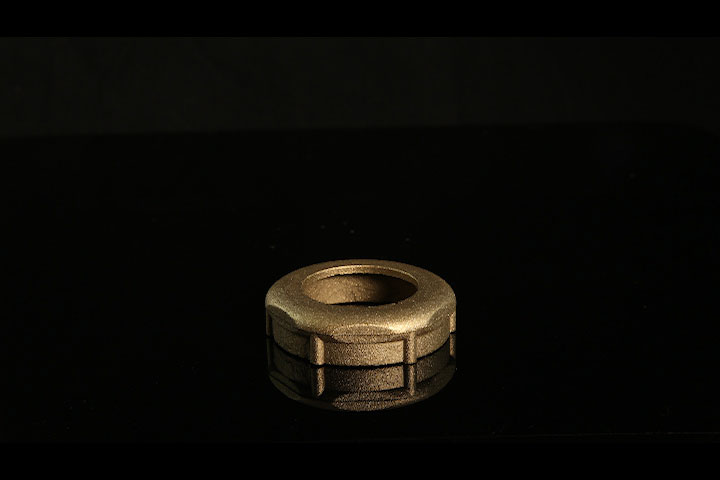
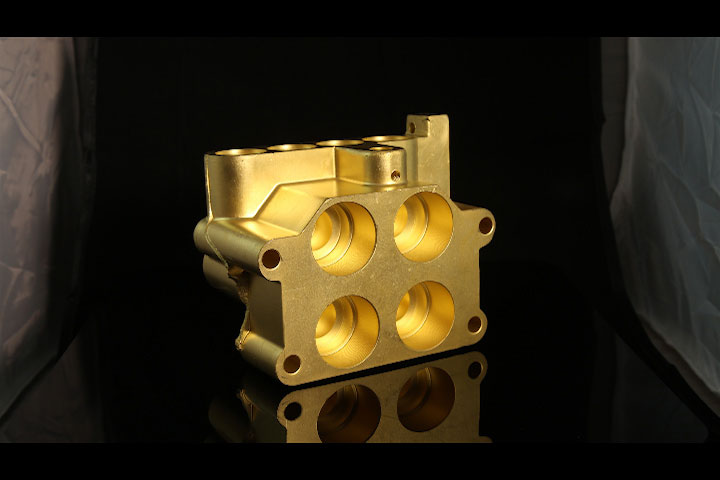
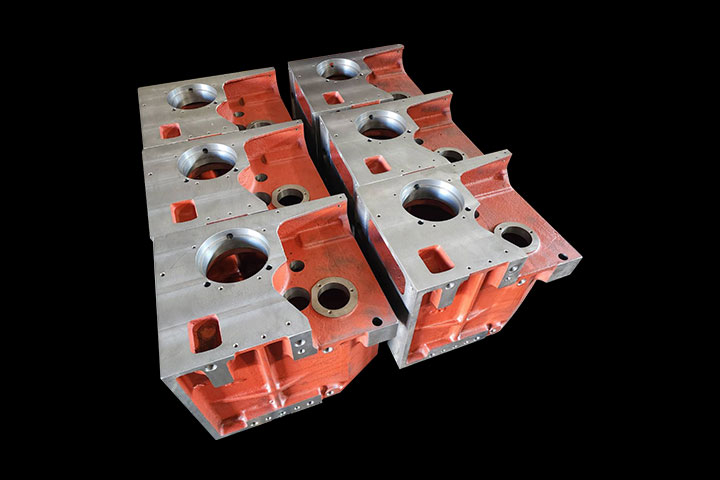
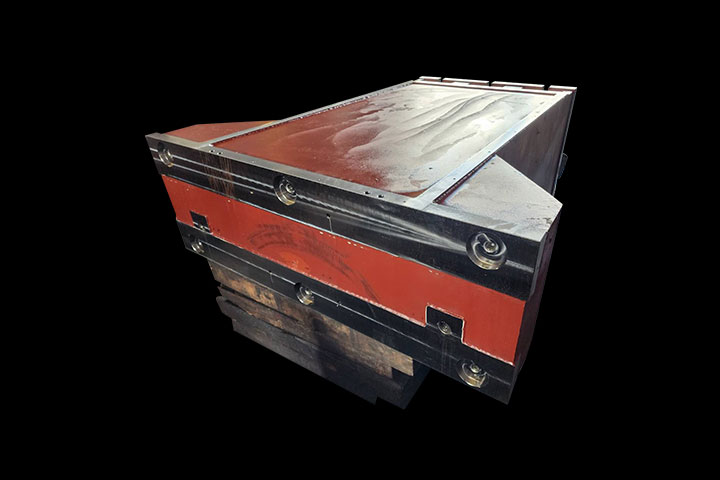
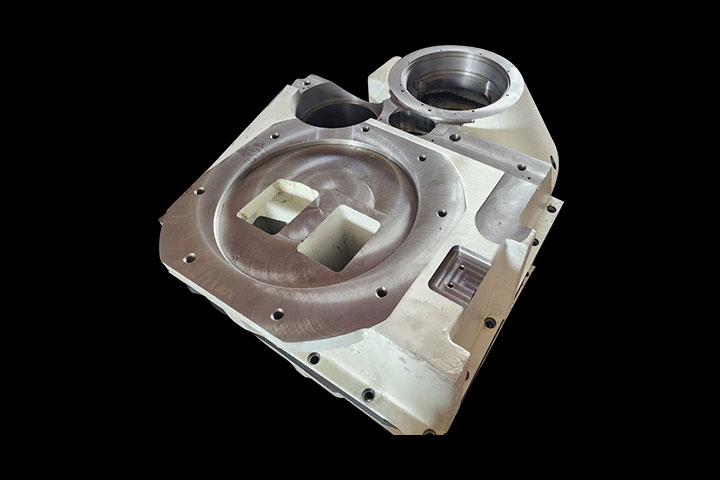
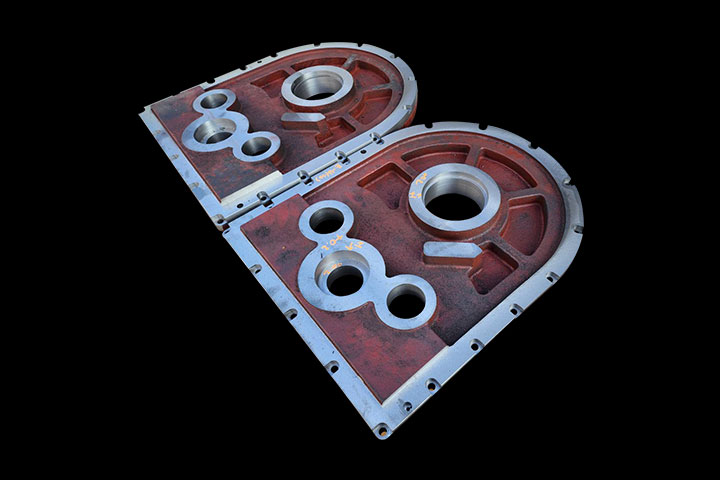
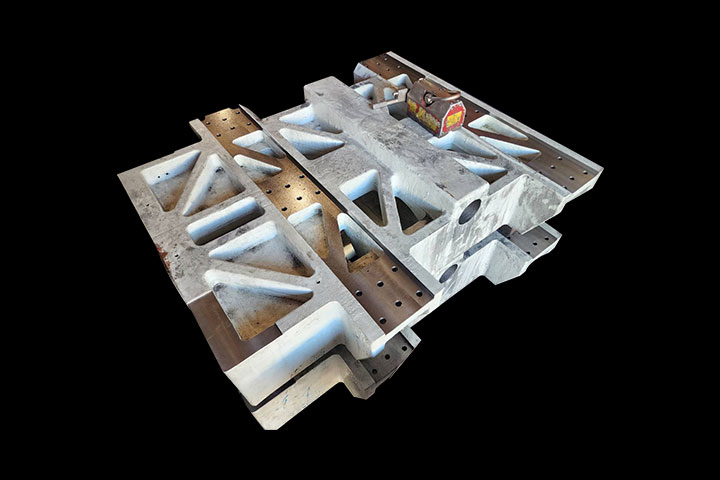
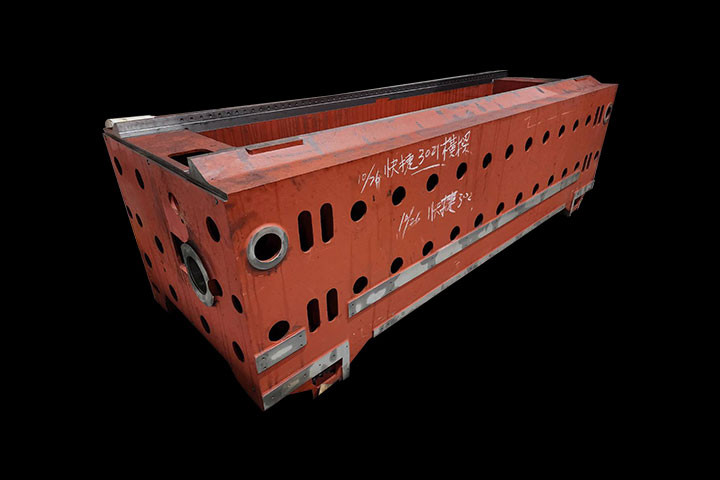
Casting, forging, and CNC machining technologies are widely used in various industrial fields and for industrial machinery components, such as brakes, drive shafts, gears, chains, wheel hubs, machine tool components, bearings, molds, and more. In addition to making the manufacturing process easier and more cost-effective, these technologies can also produce products with excellent fit, high strength, wear resistance, and high reliability.
Industrial metal components typically need to withstand long-term operation, loads, friction, vibration, and various working environments. Therefore, material selection, machining precision, and structural strength must all be carefully controlled. From machinery components, industrial hardware, fixture components, and mold components to various customized metal parts, stable processes and reliable dimensional control are essential for maintaining equipment efficiency and reducing maintenance costs.
In industrial component machining, copper is commonly used for applications requiring wear resistance, thermal conductivity, electrical conductivity, or sealing performance, while aluminum is suitable for weight reduction, structural components, and heat dissipation applications. Different products have different machining requirements, such as hole positioning accuracy, flatness, thread quality, pressure resistance, mating surface finishing, and subsequent surface treatment.
For industrial equipment manufacturers and component suppliers, process planning during the development stage has a direct impact on subsequent production stability. By confirming material specifications, machining allowances, tolerance ranges, critical dimensions, and inspection standards at an early stage, repeated modifications and delivery delays can be reduced. JITO supports small-batch prototyping, customized industrial component machining, and long-term mass production, helping customers maintain component consistency through stable machining processes and quality inspections.
Whether you need equipment components, industrial hardware, fixtures, molds, heat dissipation components, or metal components with special specifications, we leverage practical experience and flexible manufacturing processes to help customers develop industrial components that meet requirements for strength, precision, lead time, and actual operating conditions.