Automotive Component Machining: Forging and CNC Turning
JITO manufactures durable, high-precision automotive components for various vehicle system applications.
Common Applications of Automotive Component Machining
- Suspension, Chassis and Steering Components:
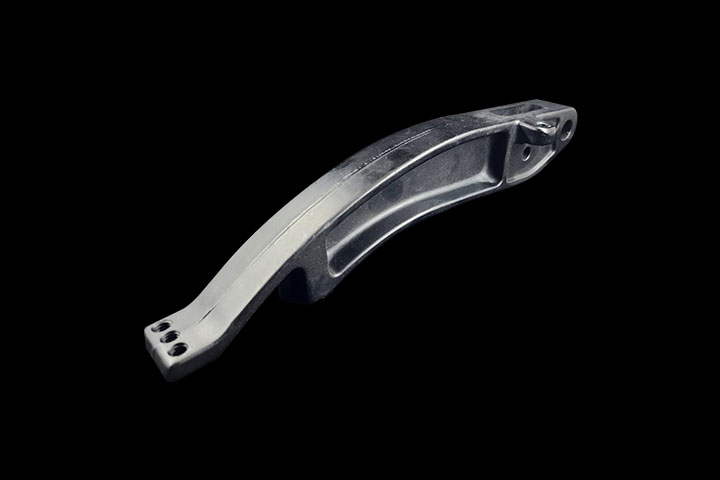
Components such as control arms, suspension brackets, connecting rods, steering knuckles, chassis parts, and tie rods must withstand road vibration, impact, and dynamic loads. Aluminum forging provides a good balance of strength and weight, while CNC machining ensures precise mounting holes, mating surfaces, and critical dimensions. - Engine, Transmission and Drivetrain Components:
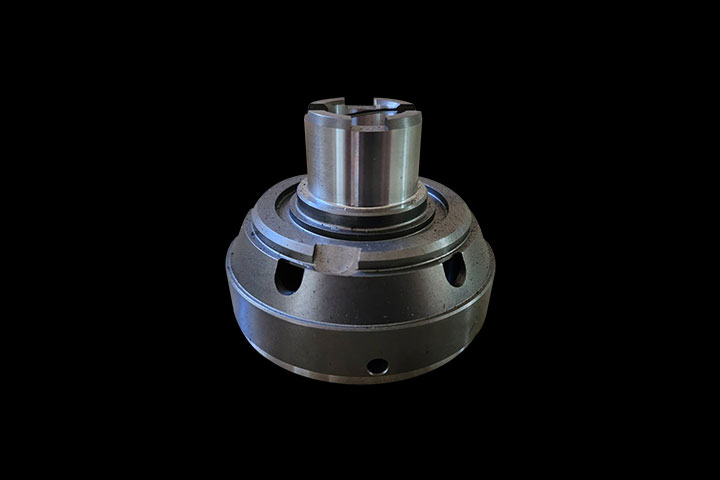
Engine components, transmission and gearbox parts, differential components, crankshafts, connecting rods, gears, drive shaft joints, and drive shaft connectors require high strength, dimensional accuracy, and concentricity. Depending on the material and component requirements, copper or aluminum forging and other forming processes can be used to produce the blanks, followed by CNC machining for threads, mating surfaces, and other precision features. - Wheel, Braking and Exhaust Components:
Wheel hubs, brake discs, brake drums, exhaust pipes, catalytic converter connectors, and other related components require reliable structural strength, dimensional accuracy, and resistance to heat, pressure, or wear. Casting, forging, and CNC machining can be combined according to the component design and functional requirements. - Engine Peripheral and Fluid System Components:
Engine brackets, oil line fittings, water line fittings, and other small automotive connectors and mounting components may require precise dimensions, airtightness, or pressure resistance. Copper and aluminum casting or forging combined with CNC machining can provide the required geometry, fitting accuracy, and surface quality.